
EE HIGHLIGHTS FOOTBALL’S ROLE IN BUILDING BOYS UP ON AND OFF THE PITCH AS NEW RESEARCH REVEALS 4 IN 10 ARE EXPOSED TO HARMFUL ONLINE MESSAGES WEEKLY
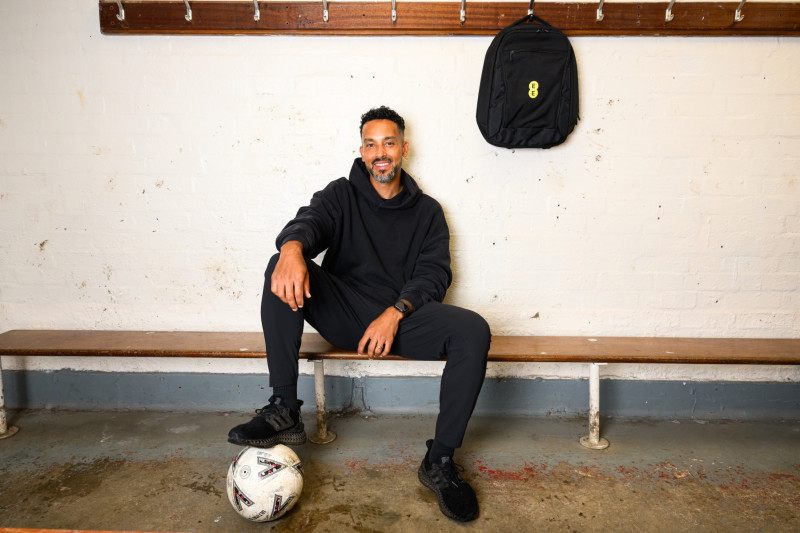
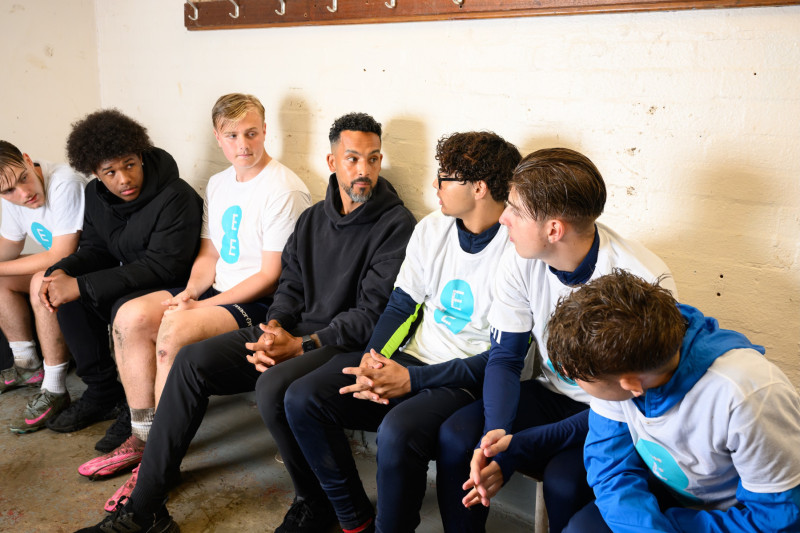
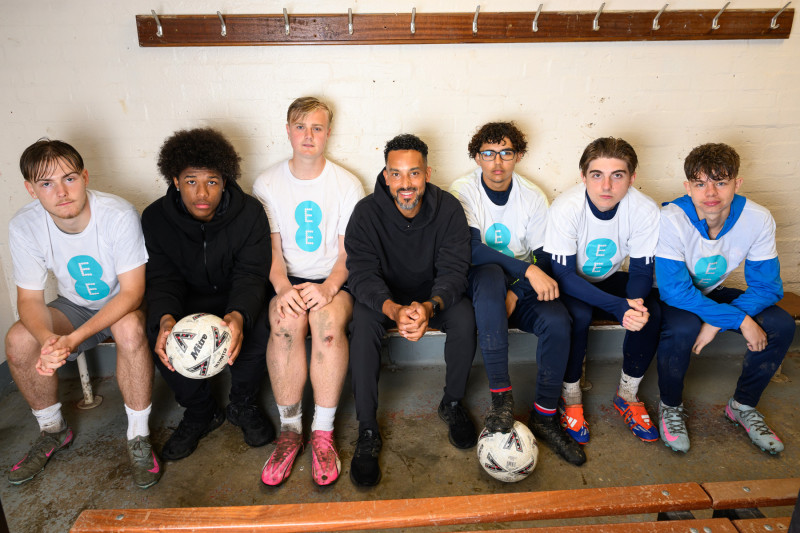
- New research from EE reveals the scale of harmful online influence shaping boys’ attitudes and behaviour, with 42% of boys aged 11–16 exposed to harmful stereotypes about masculinity multiple times a week
- Football can help counteract this negativity, however, with 65% of parents saying the sport has had a positive impact on their son’s confidence and identity, and 71% arguing a coach has equal or greater influence over their son's sense of masculinity than the content he sees online
- EE’s Yes Boys campaign features Thomas Tuchel and Steve Clarke, as well as players from across the Home Nations, and celebrates football communities as a powerfully positive tool against harmful online influences
- Former England international and dad of two young boys, Theo Walcott, fronts the campaign which marks the latest step in EE’s ongoing commitment to helping young people navigate the online world with confidence and positivity. For more information, visit: EE Yes Boys | Backing Home Nations Football This Summer
Ahead of this summer’s tournament in the US, Canada and Mexico, new research from EE, the lead partner of the Home Nations Football Associations,, in partnership with Professor Ben Hine, reveals the scale of harmful online influence shaping boys’ attitudes and behaviour and the vital role football can play in helping them build confidence, identity and resilience both on and off the pitch.
The study found that 4 in 10 boys (42%) aged 11-16 encounter harmful messages such as “men shouldn’t show emotion” and “boys need to toughen up” on a weekly basis, with 1 in 7 (14%) saying it happens daily. As a result, 7 in 10 (71%) say they feel overwhelmed by the confusing and often contradictory pressures they face online.
This influence is not going unnoticed at home either, with two fifths (42%) of parents saying they have heard their son use language or phrases they didn’t recognise and worry it may have come from negative online sources.
Despite this concern, many parents feel unequipped to respond. Over three quarters (77%) admit they are concerned about the influence of online content on their son’s attitude or behaviour, while over half (54%) say they have not actively sought guidance because they feel out of their depth. Meanwhile, 8 in 10 (80%) say they would welcome more practical support and advice on how to have conversations about harmful online content.
The research was conducted in partnership with Professor of Applied Psychology, Ben Hine, whose work focuses on the gendered experiences of men and boys, and reveals just how widespread and influential this content has become.
Ben Hine, Professor of Applied Psychology, commented: “In an increasingly complex digital world, boys are exposed to a constant stream of online content, some of which promotes harmful, outdated and restrictive ideas about masculinity. Over time, repeated exposure to these messages can shape how boys see themselves and how they believe they are expected to behave.
What this research highlights is the importance of positive, real-world environments in counteracting it. Spaces like grassroots football – where boys can connect with trusted adults and peers – play a critical role in supporting healthy identity development, emotional expression and resilience.”
As lead partner of the Home Nations Football Associations and the UK’s best network, EE has launched its new Yes Boys campaign. The campaign shines a light on the growing impact of negative online influences on young boys, and the vital role football can play in helping them build confidence, identity and resilience. It features managers and players from across the Home Nations including Thomas Tuchel, Bukayo Saka, Harry Kane, Marc Guehi, Declan Rice, Steve Clarke, Andy Robertson, Ché Adams, Jack Hendry, Billy Gilmour, Brennan Johnson, Harry Wilson, David Brooks, Trai Hume, Isaac Price and Shea Charles.
The positive power of football
EE’s research also highlights the powerful role football can play in helping boys navigate online pressures and build a stronger sense of self.
Among boys who regularly play football, two thirds of parents (65%) say the sport has had a positive impact on their son’s confidence and identity.
The research also shows that trusted adults in football - particularly coaches - are among the most influential role models in boys’ lives, with 71% of parents whose sons play sport arguing a coach has equal or greater influence over their son's sense of masculinity than the content he sees online.
Crucially, over two thirds (69%) of boys say seeing professional footballers speak openly about mental health, pressure and vulnerability makes them feel more comfortable with their own emotions - reinforcing the importance of visible, positive role models in the game.
The data also reveals that coaches themselves are open to additional learning and support. Over three quarters (78%) of coaches say a boy has confided something personal to them, completely unrelated to football, that they suspect the boy hadn't told a parent or teacher, and almost all those same coaches (95%) say their role is increasingly about supporting mental and emotional wellbeing.
In response, EE has launched the Mentor Badge, an online resource providing practical tools for role models and parents to help them support boys on and off the pitch. The Mentor Badge, which has been developed in partnership with online safety experts, Internet Matters, and with support from the Home Nations’ Football Associations, features football coach and content creator, Joshua Paul, and includes video, written content and practical guidance for coaches to support boys growing up online, helping them to engage with positive, grounded models of masculinity, and directly tackle the negative, damaging impact of the negative online content.
To bring the campaign to life, EE has partnered with former England international and dad of two young boys, Theo Walcott, who understands firsthand the importance of positive environments and role models in shaping young people’s lives.
Theo Walcott, former England player and dad of two young boys, said: “Growing up in football, I saw how powerful the environment around the game can be in building confidence and character. Now, as a dad, I’m even more aware of the pressures boys face, especially online. Football gives boys a space to express themselves, build resilience and learn from positive role models. That’s why Yes Boys is so important in helping the next generation grow with confidence.”
Kelly Engstrom, Brand and Marketing Communications Director at EE, commented: “As the UK’s best network for families, and the lead partner of the Home Nations Football Associations, we are uniquely placed to champion young boys and help build them up, on and off the pitch. We know that growing up in an online world is hard for young people, with boys facing unique challenges. Following our 2025 ‘Everyone Needs a Squad’ campaign, which championed the Lionesses, Cymru national team and young girls, we are proud to highlight the vital role football plays in tackling negative online influences and building boys’ confidence and resilience through the launch of ‘Yes Boys’. It is the latest step in our ongoing commitment to supporting young people and their families navigate the online world safely and with positivity.”
Yes Boys is a new integrated campaign that forms part of EE’s ongoing mission to use the power of connection for good, especially for young people, as growing up with phones gets harder. This latest initiative builds on EE’s broader commitment to supporting young people’s wellbeing. Last year, EE launched Safer SIMs - under-18s smartphone plans designed around different levels of independence - and online safety appointments, available in all EE stores nationwide. Alongside this, EE’s PhoneSmart platform equips both teens and parents with the tools and knowledge to stay safe and confident online.
For more information, visit: EE Yes Boys | Backing Home Nations Football This Summer
*Research Without Barriers surveyed 1,002 11–16-year-old boys, 502 coaches of 11–16-year-old boys and 1,002 coaches of 11–16-year-old boys between the 8th-18th May. All research conducted adheres to the UK Market Research Society (MRS) code of conduct (2023).
About EE
EE is the UK’s best network, offering superfast mobile and broadband connection to millions across the UK. With an ambition to be the country’s most trusted connector of people, EE’s network and services keep consumers connected and entertained.
EE’s 4G, 5G and 5GSA speeds cover more than 90% of the UK, while EE’s super reliable broadband is available at more than 99% of UK premises, with guaranteed speeds to keep people streaming, gaming, watching TV and connecting to the things that matter most.
EE’s mobile network continues to receive extensive recognition including UK's best overall network by RootMetrics® every year since 2014, as well as being named Best Network for Consumers at the Mobile Industry Awards for the last four years since 2022.
EE is committed to offering first class service in the industry and has nearly 400 stores across the UK. In 2023, EE launched its new experiential retail strategy opening its flagship EE Studio and Experience stores nationwide. The innovative approach to retail in the telco industry has seen EE receive multiple awards of recognition including Retailer of the Year at the Mobile Industry Awards in 2024 and 2025, and Best New Store for the EE Studio at the Retail Week Awards in 2024.
EE remains the only mobile provider to answer 100% of customer calls in the UK and Ireland and was recognised for putting people and culture at the heart of the company at the Cnect Wales Awards in 2025.
EE is part of BT Group's Consumer business unit which provides products and services to all of BT’s consumer customers in the UK.
Follow us on:
Facebook at: www.facebook.com/ee
Twitter at: www.twitter.com/ee
YouTube at: www.youtube.com/ee
LinkedIn at: www.linkedin.com/company/ee-uk